


 Wishlist (0)
 Your Basket (
 Free delivery on all orders over
 16 February 2026
What Are Sulphites in Wine? Low & No Added Sulphur Wine Explained

Sulphites in wine can be a confusing subject.
You might see terms like contains sulphites, low sulphur wine, low sulphite wine, no added sulphur wine, sulphur free wine or sulfite free wine – and wonder what they all really mean.
Are sulphites bad?
Does organic wine contain sulphites?
Is no added sulphur wine actually sulphur free?
And what is the difference between low sulphur and no added sulphur wine?
This guide explains the basics, clears up a few common myths, and shows you how to find carefully selected organic low sulphur and no added sulphur wines at Vintage Roots.
What are sulphites in wine?
Sulphites, sulphur dioxide and SO2 all refer to the same general thing in wine.
In winemaking, sulphur is most commonly used as a preservative. It helps protect wine from unwanted bacteria, yeasts and moulds, and it also helps prevent oxidation – the process that can make wine lose freshness, turn brown or develop vinegary aromas.
That may not sound very romantic, but sulphur has played an important role in wine for a very long time. Ancient Greek and Roman winemakers discovered that burning sulphur inside wine vessels helped protect wine from spoiling. Today, most winemakers still use sulphur in some form, especially when bottling wine for stability and freshness.
In short: sulphites help wine stay fresh, stable and enjoyable.
Does all wine contain sulphites?

Almost all wine contains at least a tiny amount of sulphites.
This is because small amounts of sulphur can occur naturally during fermentation, often somewhere between 5-30 parts per million. So even if a wine has had no sulphur added during winemaking, it may still contain naturally occurring sulphites.
This is why the phrase sulphur free wine is not always technically accurate.
At Vintage Roots, we prefer clearer terms like:
No added sulphur wine – wine made without added sulphur during winemaking.
Low sulphur wine – wine made with much lower sulphur levels than permitted under organic regulations.
You may still see people search for “sulphur free wine” or “sulfite free wine”, but in most cases, what they are really looking for is no added sulphur wine.
Why does wine say “contains sulphites”?
Wine labels must state “contains sulphites” when the wine contains more than 10 parts per million. This is regulatory allergen advice, and does not always mean sulphur has been added.
This labelling has made many people more aware of sulphites, but it has also created some confusion. Seeing “contains sulphites” on a bottle can make sulphites sound unusual or worrying, when in fact they are very commonly used in food and drink.
Sulphites can also be found in dried fruit, some tinned foods, ready meals and squash drinks. In fact, some dried fruits can contain far more sulphur dioxide than a glass of wine.
That said, sulphite sensitivity is real for some people, so it is a useful label – especially for those who know they need to avoid or reduce sulphites.
Are sulphites in wine bad for you?
For most people, sulphites are not usually a problem.
However, some people can be sensitive to them. For certain asthmatics, sulphites can be a particular concern, and some people report respiratory, skin or digestive reactions after consuming sulphites.
As with many things, individual reactions vary. Some people happily drink wines containing sulphites without noticing any issue. Others feel they do better with wines made using lower sulphur levels or no added sulphur.
We always recommend seeking medical advice if you think you may have a sulphite allergy or sensitivity.
Do sulphites cause headaches?
This is one of the most common questions around sulphites in wine.
Some customers tell us they feel clearer the next day after drinking low sulphur or no added sulphur wines. Others say they believe sulphites contribute to headaches or grogginess.
However, wine headaches can be complicated. Alcohol itself can cause headaches, especially if you drink more than usual or do not drink enough water. Other wine compounds – including histamines and tannins – may also play a role for some people.
So, we would not claim that low sulphur or no added sulphur wine is “headache free”. That would be too simplistic.
What we can say is that many customers actively seek out these wines because they prefer the way they are made, the lower-intervention approach, and how they feel when choosing them.
How much sulphur is allowed in wine?
The amount of sulphur allowed in wine depends on the type of wine and how it is made.
Dry red wines generally need less sulphur than whites and rosés because red wines contain tannins and other natural compounds from the grape skins that help protect the wine.
White and rosé wines are often more delicate, so they may need more protection against oxidation.
Sweet wines tend to contain considerably higher sulphur levels, as sulphur binds with sugar before any “free” sulphur can do its preservative work. If you are sensitive to sulphites, it is usually best to avoid sweeter styles.
Organic wines have lower permitted sulphur limits than conventional wines. This means that, by choosing organic wine, you are already choosing wines made under stricter sulphur limits than standard conventional wine.
Does organic wine contain sulphites?
Yes, organic wine can contain sulphites.
This is a common misunderstanding. Organic wine does not automatically mean sulphur free or no added sulphur.
What organic certification does mean is that sulphur levels are more tightly controlled than in conventional winemaking. Organic wines are made to lower permitted sulphur limits, which is one of the reasons many people choose them.
At Vintage Roots, all our wines are certified organic and/or biodynamic. That means sulphur use is already restricted compared with conventional wines.
From there, some wines go further – either as low sulphur wines or no added sulphur wines.
What is low sulphur wine?
Low sulphur wine is wine made with reduced levels of added sulphur.
At Vintage Roots, we classify low sulphur wines as wines where the winemaker has used 50% or less of the maximum sulphur level allowed under organic rules.
So, these wines are not necessarily made with no added sulphur at all. Instead, they are made with a deliberately reduced level.
This can be a good option if you are looking for wines made with less intervention, but still want the stability and freshness that a small amount of sulphur can provide.
You can browse our low sulphur organic wine range here:
What is no added sulphur wine?

No added sulphur wine is wine made without sulphur being added during winemaking.
This does not always mean the wine contains zero sulphites, because small amounts can occur naturally during fermentation. But it does mean the winemaker has not added sulphur as a preservative.
No added sulphur wines can be wonderfully expressive. They are often generous, fruit-forward and vibrant, with deep colours and plenty of aroma. This is partly because sulphur can mute aromatics and colour when used heavily.
They are also more difficult to make well.
Without added sulphur, the quality of the grapes and the skill of the winemaker matter enormously. Healthy, clean organic grapes are a real advantage, and careful winemaking is essential. Poor examples can taste unstable, tired or oxidised – which is why selection is so important.
At Vintage Roots, we have been paying close attention to no added sulphur wines for many years. Back in 2013, we had only a small handful in the range. Today, we have a much wider selection, from reds and whites to sparkling wines and mixed cases.
You can browse our no added sulphur wine range here:
Low sulphur vs no added sulphur wine – what is the difference?
The difference is simple:
Low sulphur wine has had some sulphur added, but at a reduced level. At Vintage Roots, this means 50% or less of the maximum allowed under organic regulations.
No added sulphur wine has had no sulphur added during winemaking, though tiny naturally occurring amounts may still be present.
Both styles appeal to people looking for organic wines made with fewer additives and a lighter-touch approach in the cellar.
How to find low sulphur and no added sulphur wines at Vintage Roots
We make it easy to identify lower sulphur wines on our website.
Look for:
LS – low sulphur wine
These wines are made with 50% or less of the maximum sulphur allowed under organic rules.

NS – no added sulphur wine
These wines have been made with no sulphur added during winemaking.

No sulphur added wines to try
For a red first, the Bohem No Added Sulphur Tempranillo is one of our best value no sulphur added red wines. It’s ripe, black fruit forward and juicy with soft tannins and a fine clean finish.


Next, the much-loved Carta Roja Pura Monastrell No Added Sulphur is a divine wine from southern Spain’s warm Jumilla region. It has black fruits and pepper on the nose with dark cherry, damson and raspberry jam flavours on the palate.
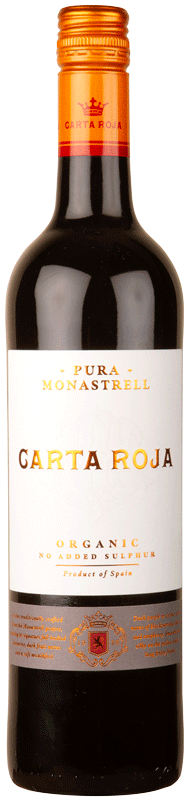
With its succulent plummy fruit, Giol’s No Added Sulphur Merlot is another popular option for a no sulphur added red wine.


For a white, Paul Mas’ Cuvée Secrète Chardonnay No Added Sulphur is a no sulphur added Chardonnay with enticing aromas of tropical fruit and toasted notes.
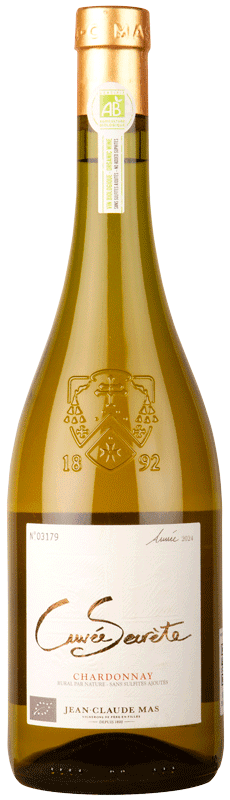

Giol’s No Added Sulphur Pinot Grigio is another popular white that’s crisp and well-balanced with creamy peach and apricot flavours.

No sulphur added wines mixed cases
Our No Sulphur Added Six contains six of our top no added sulphur reds, From sumptuous Shiraz to nimble Nero d’Avola.


Our No Sulphur Added Whites Six contains six of our top no sulphur added white wines from Viognier to Pinot Grigio and Chardonnay. It’s a fantastic introduction to no sulphur added white wines.

Are red wines lower in sulphites than white wines?
Often, yes.
Red wines usually need less sulphur than white wines because the tannins and compounds extracted from grape skins give them more natural protection.
White wines and rosés can be more fragile and more prone to oxidation, so they often require a little more sulphur to keep them fresh.
Sweet wines generally need the highest levels because sugar binds with sulphur, meaning more is needed for the sulphur to work effectively.
That does not mean every red wine is low sulphur, or every white wine is high sulphur. But as a general rule, dry reds tend to need less sulphur than whites, rosés and sweet wines.
What do low sulphur and no added sulphur wines taste like?
The best low sulphur and no added sulphur wines taste just like good wine should: fresh, expressive and full of character.
Some no added sulphur wines can be especially vivid in colour and aroma. Reds often show generous fruit, soft tannins and a real sense of purity. Whites can be bright, clean and textured, though they are generally harder to make without sulphur than reds.
You may also notice that some low sulphur and no added sulphur wines change a little in the glass. Because they can oxygenate more quickly, the flavour may develop from one pour to the next.
That can be part of the enjoyment.
How should you serve no added sulphur wine?
No added sulphur wines do not need complicated treatment, but a few simple steps can help.
Store them somewhere cool and away from direct sunlight, just as you would with any good bottle.
For reds, avoid serving them too warm. A slight chill can work beautifully, especially for juicy, fruit-forward styles.
Some no added sulphur wines may have a very slight spritz. This is not necessarily a fault – it can help with preservation and often disappears after a little air.
You can also open the bottle a little early, or pour the wine into a jug or decanter before serving. No fancy equipment needed.
Are no added sulphur wines better?
Not automatically.
A wine is not good simply because it has no added sulphur. There are poorly made examples on the market, just as there are poorly made conventional wines.
The key is selection.
When no added sulphur wines are made well, they can be superb – expressive, vibrant and full of personality. But they require healthy grapes, careful vineyard work and skilled winemaking.
That is where organic growing can be a real advantage. Starting with healthy, clean organic grapes gives the winemaker a stronger foundation, especially when working with reduced sulphur or no added sulphur.
At Vintage Roots, we only choose wines we are happy to drink ourselves. That applies just as much to our low sulphur and no added sulphur wines as it does to the rest of our range.
Is natural wine the same as no added sulphur wine?
Not necessarily.
Natural wine is often associated with low-intervention winemaking, wild yeasts and little or no added sulphur. However, the term “natural wine” does not have the same clear legal definition as organic or biodynamic wine.
Some natural wines are made with no added sulphur. Others may have a small amount added, especially at bottling.
For us, organic and biodynamic certification matters because it is verifiable. It gives customers a clear standard for how the grapes are grown and how the wine is made.
So, while low sulphur and no added sulphur wines often sit close to the natural wine conversation, they are not exactly the same thing.
Explore low sulphur and no added sulphur organic wines
Whether you are looking to reduce sulphites, explore more expressive wines, or simply discover something new, our low sulphur and no added sulphur ranges are a good place to start.
All our wines are certified organic and/or biodynamic, and many are made with lower sulphur levels than conventional wines. Within that, our low sulphur and no added sulphur categories go a step further.
Sulphites in wine FAQs at a Glance
What are sulphites in wine?
Sulphites, sulphur dioxide and SO2 refer to compounds used in winemaking to help protect wine from spoilage and oxidation. They help keep wine fresh, stable and enjoyable.
Is sulphur free wine really sulphur free?
Usually, no. A tiny amount of sulphur can occur naturally during fermentation, so wine is rarely completely sulphur free. That is why “no added sulphur wine” is usually the more accurate term.
What is no added sulphur wine?
No added sulphur wine is wine made without sulphur being added during winemaking. Small naturally occurring sulphites may still be present.
What is low sulphur wine?
At Vintage Roots, low sulphur wines are wines where the winemaker has used 50% or less of the maximum sulphur allowed under organic rules.
Does organic wine contain sulphites?
Yes, organic wine can contain sulphites. However, organic wines are made to lower permitted sulphur limits than conventional wines.
Are red wines lower in sulphites?
Red wines often need less sulphur than whites and rosés because tannins and compounds from the grape skins help protect the wine naturally. Sweet wines usually need more sulphur.
Do sulphites cause headaches?
Some people believe sulphites contribute to headaches or grogginess, but wine headaches can also be linked to alcohol, dehydration, histamines, tannins and individual sensitivity. We would not claim that any wine is headache free.
How do I find no added sulphur wines on Vintage Roots?
Look for the NS symbol on our website, or browse our no added sulphur wine category here.
How do I find low sulphur wines on Vintage Roots?
Look for the LS symbol on our website, or browse our low sulphur wine category here.
