


 Wishlist (0)
 Your Basket (
 Free delivery on all orders over
 6 April 2026
Why Drink Organic Wine? 6 Benefits of Choosing Organic

Why drink organic wine? It’s a question more and more wine lovers are asking – and for good reason.
Organic wine offers a more thoughtful way to enjoy what’s in your glass. It starts with grapes grown without synthetic pesticides, herbicides or artificial fertilisers, and continues in the winery with stricter standards around what can and can’t be used.
At Vintage Roots, we’ve specialised in certified organic wines since 1986, so we’ve seen first-hand how much care goes into this way of growing and making wine. From healthier soils and thriving vineyard life to lower permitted sulphur levels and a more transparent certification process, there are plenty of reasons to choose organic.
Here are six benefits of choosing organic wine.
1. Organic wine is better for the environment
One of the biggest reasons to drink organic wine is that it’s better for the environment.
In organic vineyards, grapes are grown without synthetic pesticides, herbicides and artificial fertilisers. Instead, growers work with nature to build healthier soils, support stronger vines and reduce pollution in the surrounding landscape.
This matters because vineyards are part of wider ecosystems. What happens in the soil can affect water, wildlife, insects, birds and the people working among the vines. By avoiding many of the synthetic chemicals used in conventional farming, organic growers help protect the land around them.
Organic vineyard management can also help improve soil structure and water retention, while encouraging the natural life in the soil – from fungi and bacteria to insects and other microorganisms. Healthier soils support healthier vines, and healthier vines are the starting point for better wine.
At Vintage Roots, we also carbon offset all our wine and drinks imports from around the world and have done since 2005, making us one of the first wine companies to take this step. We also recognise the need to reduce our own direct emissions wherever possible – find out more about how we care for the environment here.
2. Organic vineyards support biodiversity

Another important benefit of choosing organic is biodiversity.
The World Wildlife Fund has reported a dramatic decline in global wildlife populations since the 1970s, and farming has a huge role to play in how land supports – or fails to support – nature.
Organic vineyards are often far livelier places than conventional ones. Instead of bare, chemically treated rows, you are more likely to find cover crops, wildflowers, insects, birds and a greater variety of life above and below ground.
That biodiversity matters. Vines do not grow in isolation. They rely on healthy soils, balanced ecosystems and natural resilience. The more life there is in the vineyard, the more balanced and self-sustaining the environment can become.
You can often see the difference visually. In a conventionally farmed vineyard, soils may look compacted and lifeless. In an organic vineyard, the ground is more likely to be aerated, active and full of living matter. That living soil helps the vines access nutrients, cope with stress and produce better-quality grapes.
And great wine always starts with great grapes.
3. Organic wine has lower permitted sulphur levels
Does organic wine contain sulphites? Usually, yes – but permitted levels are lower than in conventional wine.
Sulphites, sulphur dioxide, sulphur and SO2 all refer to the same thing. In winemaking, sulphur dioxide is used to protect wine from oxidation and unwanted microbial activity. It helps keep wine stable, fresh and safe to drink.
The key difference is that organic winemaking standards allow lower maximum levels of added sulphur than conventional winemaking.
For example, permitted levels are lower for organic red, white and rosé wines than for their conventional equivalents. So while most organic wines still contain sulphites, they are often present at lower levels.
There are also more wines now made with no sulphur added. These wines still contain tiny naturally occurring sulphites from fermentation, but no sulphur dioxide is added during the winemaking process.

At Vintage Roots, we make this easier to spot with:
NS – No Sulphites Added
LS – Low Sulphur Added, meaning 50% or less of the level allowed under organic standards
For anyone actively looking for low sulphur or no added sulphur wines, these symbols are a useful guide.
It’s worth saying that wine affects everyone differently, and sulphites are not the only possible cause of headaches or feeling rough the next day. The best way to avoid a hangover is still to drink moderately, stay hydrated and enjoy wine with food.
4. Organic wine offers a true expression of place
Another reason to drink organic wine is flavour.
Winemakers know that the quality of the grapes is everything. You can have all the modern cellar equipment in the world, but dull, tired or over-treated fruit will never make truly exciting wine.
Organic growers focus on producing healthy grapes from healthy vineyards. Because the vines are rooted in living soils and grown with fewer interventions, the resulting wines often feel more expressive of where they come from.
This is what wine people mean when they talk about “terroir” – the combination of soil, climate, landscape, grape variety and human care that gives a wine its character.
That doesn’t mean every organic wine tastes the same. Far from it. Organic wines can be crisp and mineral, rich and full-bodied, light and juicy, sparkling, still, classic or adventurous. But the best examples tend to have a sense of energy, purity and place.
It’s also why many brilliant winemakers choose to farm organically. Not because it’s trendy, but because they believe it gives them better fruit and, ultimately, better wine.
5. Choosing organic supports growers doing things properly
When you choose organic wine, you are supporting growers and producers who have made a clear commitment.
Organic certification is not just a nice phrase on a back label. It involves rules, inspections and accountability. Growers have to farm according to recognised standards, and winemaking must also follow approved guidelines.
That matters because there is a lot of vague green language in wine. You’ll often see phrases such as “environmentally friendly”, “sustainable approach”, “minimal intervention” or “adopting organic practices”. Some of these may be meaningful, but without certification they can be hard to verify.
Certified organic wine gives you something clearer. It means the grapes have been grown organically and the wine has been made in line with recognised standards.
Many of the growers we work with converted to organic long before it became more widely fashionable. They did it because they believed it was better for the vineyard, better for the environment and better for the quality of the wine.
By choosing their bottles, you are helping make that work worthwhile.
6. Organic wine is made through a verifiable process

Before 2012, wines in Europe could be labelled as “wine made from organically grown grapes”, because the rules focused mainly on the vineyard.
Since 2012, the term “organic wine” has been used because standards were extended to include the winemaking process too. That means certified organic wines must follow rules in both the vineyard and the cellar.
These standards restrict certain additives and treatments, and they limit the amount of sulphur dioxide that can be used. Organic certification bodies then inspect and verify that producers are meeting the rules.
You may see different certification logos depending on where a wine comes from. In the UK, the Soil Association is one of the best-known organic certifiers, while in Europe you may also see bodies such as Ecocert or the EU organic logo.
The important thing is to look for proof of certification, rather than relying on loose environmental language.
At Vintage Roots, every wine and drink we stock is certified organic, biodynamic, or made to an equivalent recognised standard where relevant, so you don’t have to do the detective work yourself.
Is organic wine better for you?
Organic wine is made from grapes grown without synthetic pesticides and herbicides, and it is produced under stricter winemaking standards. For many people, that is one of the key reasons to choose it.
It can mean fewer unwanted residues and lower permitted levels of added sulphur, depending on the wine.
However, wine is still alcohol, and organic wine should still be enjoyed responsibly. We would not claim it prevents hangovers or offers medical benefits. What it does offer is a cleaner, more transparent and more environmentally conscious choice.
Is organic wine more expensive?
Organic wine can cost a little more to produce. Certification, careful vineyard work and lower-input farming all require time, skill and commitment.
But organic wine is not always as expensive as people assume. At Vintage Roots, we work hard to keep our pricing competitive, with bottles starting from accessible everyday prices and mixed cases offering good value across different styles.
There is also a bigger question of value. When you buy organic, you are supporting farming that protects soils, wildlife, vineyard workers and the wider environment. That is part of what you are paying for.
New to organic wine? Try a mixed case
If you are new to organic wine, a mixed case is a great place to start.
Our Everyday Organic Six is another reliable choice, with three reds and three whites that are easy to enjoy and kind to your pocket.
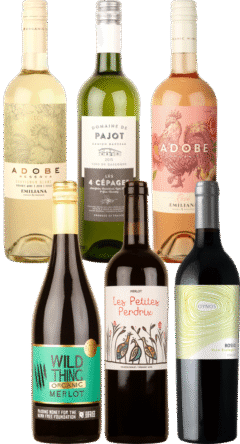

If you are specifically interested in lower sulphur styles, you might also enjoy our No Sulphur Added Reds Six or No Sulphur Added Whites Six.


You can also explore our recommended organic wines or browse our best-selling organic wines for more inspiration.
So, why drink organic wine?
Organic wine starts with healthier vineyards and better farming choices. It supports biodiversity, protects soils, uses fewer synthetic inputs and follows a verifiable certification process.
It can also offer lower permitted sulphur levels, expressive flavours and a closer connection to the place where it was grown.
Most importantly, choosing organic wine supports growers who are making a positive difference – not just in the bottle, but in the vineyard too.
At Vintage Roots, we’ve been sourcing organic and biodynamic wines from around the world since 1986. Whether you’re looking for reds, whites, rosés, sparkling wines, low sulphur bottles or everyday favourites, there’s never been a better time to discover how good organic wine can be.
