


 Wishlist (0)
 Your Basket (
 Free delivery on all orders over
 16 June 2026
All About English Wine: Grapes, Regions, Styles and More

English wine has developed from a small, experimental industry into one of the most exciting areas of modern wine production. England is now known around the world for its traditional-method sparkling wine, but there is much more to discover – from aromatic Bacchus and elegant Chardonnay to refreshing rosé and increasingly accomplished Pinot Noir.
Better vineyard knowledge, thoughtful site selection and growing winemaking experience have all helped drive quality forward. A series of strong vintages has also shown what English vineyards can achieve, particularly in the warmer and drier counties of southern and eastern England.
Here is our introduction to English wine – including its history, principal regions, most important grapes and the different sparkling and still styles being made today.
A short history of English wine
Vines have been grown in Britain at various points since Roman times, although wine production repeatedly declined as a result of political upheaval, changing weather and easier access to imported wines.
The modern English wine industry began to take shape during the 1950s. Early growers concentrated on varieties capable of ripening in a cool climate, often producing light, aromatic white wines.
A major turning point came when producers began planting Chardonnay, Pinot Noir and Pinot Meunier – the three grapes most closely associated with Champagne. These varieties proved particularly well suited to sparkling-wine production in southern England and helped establish the country’s international reputation.
The industry has continued to expand rapidly. According to WineGB’s latest industry figures, there are now more than 1,150 vineyards in the UK, nearly 260 registered wineries and approximately 4,840 hectares under vine.
Why is English wine improving?

English wine has benefited from several developments at once.
Growers now understand much more about which slopes, soils, grape varieties and vineyard techniques work best in different locations. Winemakers have also gained experience with English fruit and are increasingly confident about producing both sparkling and still wines.
Investment in vineyards, wineries and specialist knowledge has grown considerably. Producers can now identify the strongest parcels of fruit and decide whether they are best suited to sparkling wine, rosé, Chardonnay or Pinot Noir.
Changes in growing conditions have also made it possible to ripen grapes more successfully in certain locations. Warmer conditions can benefit English vineyards, although unpredictable weather, spring frosts, heavy rain and disease pressure remain serious challenges.
The main English wine regions
English vineyards can now be found across much of the country, but the greatest concentration remains in southern England.
County boundaries provide a useful starting point, although individual vineyard conditions – including slope, aspect, soil, rainfall and proximity to the coast – can matter more than the region name alone.
Kent
Kent is one of England’s most important wine-producing counties. Its eastern position can provide relatively warm and dry conditions, helping grapes reach good levels of ripeness.
The county produces sparkling, white, rosé and red wines and is home to a diverse mixture of large estates and smaller independent vineyards.
Davenport Vineyards, one of England’s pioneering organic producers, began in the Kentish village of Horsmonden in 1991.
Sussex
East and West Sussex contain many of England’s best-known vineyards and produce a broad range of still and sparkling wines.
Sussex became England’s first registered wine Protected Designation of Origin in 2022. Wines using the Sussex PDO must meet defined rules relating to their origin, production and quality.
The county is also home to Oxney Organic Estate, near Rye in East Sussex.
Surrey
The Surrey Hills and North Downs contain several well-established vineyards. South-facing slopes and chalk-influenced soils have helped make the area particularly successful for sparkling wine.
Albury Vineyard is a family-run organic and biodynamic estate in the Surrey Hills, producing sparkling wine, rosé and small-release still wines.
Hampshire
Hampshire played an important role in the modern revival of English wine. It remains strongly associated with traditional-method sparkling wine, with Chardonnay, Pinot Noir and Pinot Meunier widely planted.
The county has attracted considerable investment and is home to some of England’s longest-established modern vineyards, including Laverstoke Park Farm, whose nine-hectare biodynamic vineyard produces limited-release vintage sparkling wines in the rolling Hampshire countryside.
Essex and East Anglia
Essex has become particularly exciting for still English wine. Its comparatively warm, dry conditions can produce ripe Chardonnay and Pinot Noir with impressive concentration.
Vineyards are also appearing across East Anglia, the South West, the Midlands, northern England and Wales, showing that excellent results are possible well beyond the historically dominant counties.
The most important English wine grapes
The leading grapes grown in England include internationally recognised varieties as well as grapes selected for their ability to perform in a cooler climate.
Chardonnay

Chardonnay is now the UK’s most widely planted grape.
It forms the backbone of many English sparkling wines, bringing acidity, citrus character and structure. It is also increasingly used for still English Chardonnay, ranging from fresh, unoaked styles to fuller wines fermented or matured in barrel.
Typical flavours can include lemon, green apple, pear, white peach and orchard fruit, sometimes accompanied by toast, pastry or gentle oak.
Pinot Noir
Pinot Noir is used in English sparkling wine, rosé and red wine.
English Pinot Noir is usually lighter and fresher than examples from warmer regions. Typical flavours include red cherry, raspberry, wild strawberry, subtle spice and earthy notes.
In favourable vintages and well-chosen sites, it can produce elegant red wines with genuine depth and complexity.
Pinot Meunier
Pinot Meunier is the third member of the traditional sparkling-wine trio.
It can bring bright fruit, softness and approachability to sparkling blends. Some English producers are also experimenting with still Pinot Meunier and sparkling wines made predominantly from the variety.
Bacchus
Bacchus is one of the grapes most closely associated with English still white wine.
It is often compared with Sauvignon Blanc because of its aromatic character and refreshing acidity. Depending on the vineyard and vintage, it can show elderflower, gooseberry, citrus, green herbs and hedgerow notes.
It is particularly good with goat’s cheese, salads, asparagus, seafood and gently spiced dishes.
Other English grape varieties
Seyval Blanc, Ortega, Pinot Gris, Pinot Blanc, Huxelrebe, Reichensteiner and Madeleine Angevine are also found in English vineyards.
Some are bottled as single-variety wines, while others are used in blends to build aroma, texture and balance.
English sparkling wine
English sparkling wine remains the country’s most famous style.
The leading examples are made by the traditional method, with a second fermentation taking place inside the bottle. The wine is then matured on its lees, which can add notes of brioche, pastry and toast to its naturally fresh fruit.
Chardonnay, Pinot Noir and Pinot Meunier are the principal grapes. English sparkling wine is typically known for its bright acidity, citrus fruit and elegant structure.
Styles include:
• classic cuvées made from a blend of grapes
• blanc de blancs made from white grapes, usually Chardonnay
• blanc de noirs made from black grapes
• sparkling rosé
• vintage sparkling wine
• non-vintage blends
English sparkling wine works well as an aperitif but is also remarkably food-friendly. Try it with oysters, smoked salmon, fish and chips, fried foods, roast chicken or mature hard cheese.
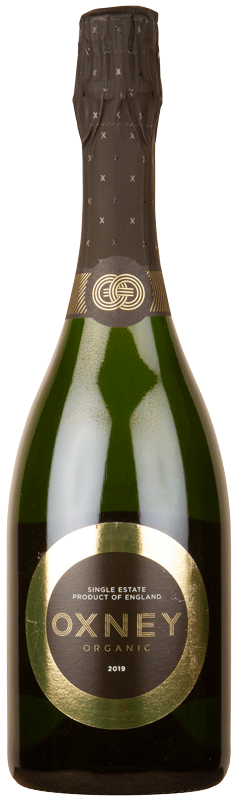
Recommended bottles: Oxney Classic Organic and Albury Estate Classic Cuvée


English white wine
English white wine is becoming increasingly varied and assured.
Bacchus remains one of the most recognisable styles, producing fragrant and refreshing wines with citrus, floral and herbaceous notes.
Chardonnay is also becoming more important. Depending on the vineyard and winemaking, English Chardonnay can be lean and mineral, rounded and orchard-fruited, or richer and more textured following fermentation or maturation in oak.
Blended white wines remain valuable too. Combining several grape varieties allows a producer to create a balanced wine while responding to the particular conditions of each growing season.
English white wines are excellent with seafood, salads, asparagus, goat’s cheese, roast chicken and vegetable dishes.
Recommended bottle: Davenport Horsmonden Dry White – a fragrant white from one of England’s organic pioneers

English rosé wine
English rosé often suits the country’s natural growing conditions beautifully.
Pinot Noir and Pinot Meunier can produce delicate rosés with bright acidity and fresh flavours of strawberry, raspberry, redcurrant and citrus.
Some are pale and crisp, while others have more texture and savoury character. English rosé works particularly well with salads, grilled fish, vegetable tarts, Mediterranean dishes and lighter summer food.
Recommended bottle: Albury Silent Pool Rosé – a tiny-production English rosé from the Surrey Hills

English red wine
Red wine remains one of the more challenging English wine styles because black grapes need sufficient warmth and time to ripen.
Nevertheless, better vineyard management, warmer sites and favourable vintages are producing increasingly convincing results.
Pinot Noir is the principal variety. The best examples combine red berry fruit, freshness, gentle tannins and subtle earthy or spicy notes.
English red wine is generally lighter in body and can benefit from being served slightly cool. Try it with mushrooms, roast poultry, charcuterie, salmon or grilled vegetables.
Recommended bottle: Davenport Redmoors Pinot Noir – a light, silky English Pinot Noir with wild strawberry

Recent English wine vintages
Vintage variation remains particularly important in England. Differences in rainfall, temperature and sunshine can affect both the amount of fruit harvested and the styles of wine produced.
The 2023 harvest brought a particularly large crop, providing producers with plenty of fruit for both still and sparkling wines.
The 2025 growing season delivered another notable harvest, producing the equivalent of approximately 16.5 million bottles. Early assessments have highlighted the quality of Chardonnay and Pinot Noir, particularly for still wines from the best sites.
Strong vintage conditions do not guarantee that every wine will be exceptional. Vineyard location, farming, picking decisions and winemaking remain equally important.
Organic English wine
Organic grape growing can be particularly demanding in England because damp conditions increase the risk of fungal disease.
Organic producers must manage their vineyards without routine synthetic herbicides, pesticides or fertilisers. This places greater emphasis on soil health, biodiversity, airflow through the vines and careful observation throughout the growing season.
Vintage Roots works with established organic and biodynamic English producers including:
• Davenport Vineyards in Kent and East Sussex
• Albury Vineyard in the Surrey Hills
• Oxney Organic Estate in East Sussex
Their ranges demonstrate that organic English wine is not limited to one style. It now includes traditional-method sparkling wine, dry white wine, Chardonnay, rosé, Pinot Noir and more experimental small-production bottles.
Explore our full range of organic English wine.
Why is English wine expensive?
English wine can appear expensive when compared with wines from large, established producing regions overseas.
Land and labour costs are relatively high, while yields can vary significantly from one year to the next. The weather also creates risks that growers in warmer and drier regions may not face to the same extent.
Traditional-method sparkling wine is particularly expensive and time-consuming to make. It requires a second fermentation in bottle followed by extended ageing before release.
Although English wine is not always inexpensive, the best bottles offer individuality, freshness and a clear connection to their place of origin. Buying them also supports local growers, wineries and rural employment.
What food goes with English wine?
The natural acidity found in many English wines makes them particularly versatile with food.
Try:
• English sparkling wine with oysters, fish and chips or hard cheese
• Bacchus with asparagus, salads or goat’s cheese
• English Chardonnay with seafood, roast chicken or creamy vegetable dishes
• English rosé with grilled fish and Mediterranean food
• English Pinot Noir with mushrooms, roast poultry or charcuterie
Frequently asked questions about English wine
What is English wine?
English wine is made from grapes grown in England. It should not be confused with products labelled British wine, which may be made in Britain using imported grape concentrate.
What wine is England best known for?
England is best known for traditional-method sparkling wine, particularly wines made from Chardonnay, Pinot Noir and Pinot Meunier.
What grapes are grown in England?
The most important grapes include Chardonnay, Pinot Noir, Pinot Meunier and Bacchus. Seyval Blanc, Ortega, Pinot Gris and several other cool-climate varieties are also grown.
Does England produce red wine?
Yes. Pinot Noir is the leading red variety, and the quality of English red wine is improving as growers gain experience and identify warmer vineyard sites.
What does English wine taste like?
Styles vary, but many English wines are characterised by refreshing acidity, citrus, orchard fruit, floral notes and bright red-fruit flavours.
Is all English wine sparkling?
No. England now produces still white, rosé and red wine alongside its better-known sparkling wines.
Is English wine organic?
Some English vineyards are certified organic or biodynamic, but the majority are not. Organic status should be confirmed through the wine label, producer or retailer.
Discover English wine
From traditional-method sparkling wine and aromatic Bacchus to elegant Chardonnay, rosé and Pinot Noir, English wine has never offered more variety.
Explore our organic English wine range, featuring bottles from Davenport, Albury, Oxney and more.
